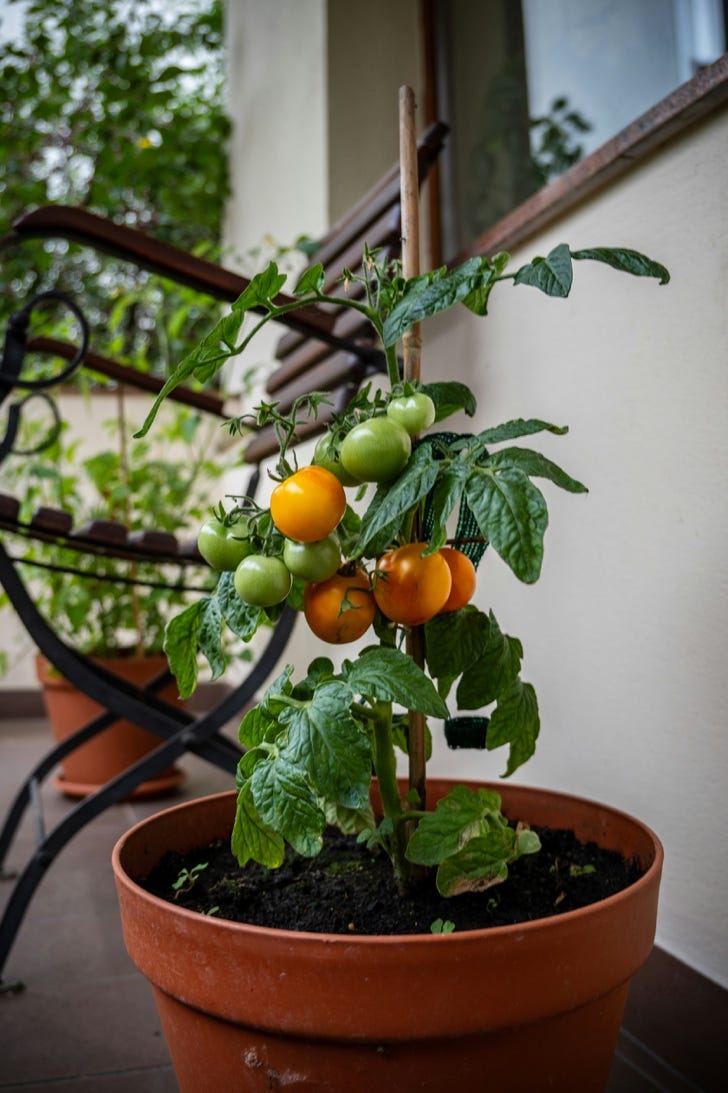
Over the years, we have planted several vegetable gardens. Our favorite vegetables to grow were zucchini, cucumbers, and tomatoes. One summer, our tomatoes kept disappearing just as they were ready to be picked.
We discovered two culprits—the birds and our dog. Each was devouring our delicious tomatoes before we could enjoy them. We had planted, watered, and waited all summer—yet something else was quietly eating our harvest before we could enjoy it.
Thus says the Lord of hosts: “Consider your ways! You have sown much, but harvest little. You eat, yet there is not enough to satisfy; you drink, yet you never have your fill. You put on clothing, yet no one is warm enough. And he who earns wages puts them into a purse with holes.”
- Haggai 1:5-6
The people in Haggai’s day weren’t lazy. They were working — sowing, eating, earning wages, and putting clothes on their backs. On the surface, life looked normal. But beneath all that effort lay a strange emptiness: they sowed much yet harvested little, ate but were never full, and earned wages that vanished before they could spend them. God gives it a name — a purse with holes. Effort goes in, nothing stays.
It’s the same picture as our tomatoes. We hadn’t done anything wrong — we planted, we watered, we waited. But something unseen was quietly consuming the harvest before we could even enjoy it. That’s exactly the emptiness Haggai’s people were living in: a slow, invisible leak, eating away at the very thing they’d worked all season to produce.
The reason wasn’t bad luck. A few verses earlier, God identifies the real issue: the temple remained unfinished while the people were busy finishing their own “paneled houses” (vs. 4). They hadn’t abandoned God outright — they’d quietly moved Him down the priority list, behind their own comfort and agendas.
Is it time for you yourselves to dwell in your paneled houses while this house (the temple) lies desolate?
- Haggai 1:4
That’s what makes “consider your ways” such a piercing command. It’s not an accusation. It’s an invitation to pause, look honestly at where our effort is going, and notice the leak. Sometimes the exhaustion we feel isn’t a sign that we need to work harder — it’s a sign that we’ve misplaced our focus.
Head to Heart
“Consider your ways” is God’s gentle yet direct call to self-examination, not to shame. He is a gentle Shepherd, but He calls His sheep to follow Him—stay close, stay safe.
In some seasons, the leak is obvious — a bird on a branch, a dog under the vine, a thief in plain sight. Other times, it’s quieter. We don’t always notice what’s eating away at our harvest until we stop to look. That’s the invitation here: not to assume the worst about ourselves, but to get curious enough to check.
If God said to you today, “Consider your ways,” what would be the first thing He’d point to?
Where in your life do you feel like you are working hard but never getting ahead — where does the “purse” feel like it has holes?
What would it look like in practice to put God first this week — not as an add-on, but as the actual priority behind your time, money, and energy?


Discover God’s Truth is now on YouTube

Watch, share, and subscribe at youtube.com/@discovergodstruth.